
Choosing a type of tile is only part of the equation when designing a space. The layout is equally important. Tile layout patterns may seem like purely aesthetic decisions, but they can influence the feel of a room and even your perception of its size. Let’s explore how colors, layout patterns, textures, and tile sizes can all impact your space.
Tile Size and Orientation
The size and layout of your tile can make a room feel larger, smaller, longer, or wider. With the right layout, you can influence how you perceive a room’s square footage.
- Visually elongate a room by laying rectangular tiles parallel to the longest walls.
- Make a long room or hallway feel wider by laying tiles perpendicular to the longest wall.
- Make a room feel bigger by using large-format floor tiles. Larger tiles have fewer grout lines, which can make smaller rooms feel more open.
- Small tiles make a space feel busier, but for some spaces, this is the goal. Smaller tiles provide more grip and add visual interest to areas where you want to draw the eye.
- Patterned tiles can make a room feel more grounded. In rooms that feel cavernous or cold, a patterned floor or accent wall adds warmth and definition.
Tile Layout Patterns
Your tile layout guides the eye, defines the space, and sets the overall tone of the room. It’s one of the most permanent decisions of any tile project, so it’s worth considering carefully before installation begins. Here are a few popular layouts:
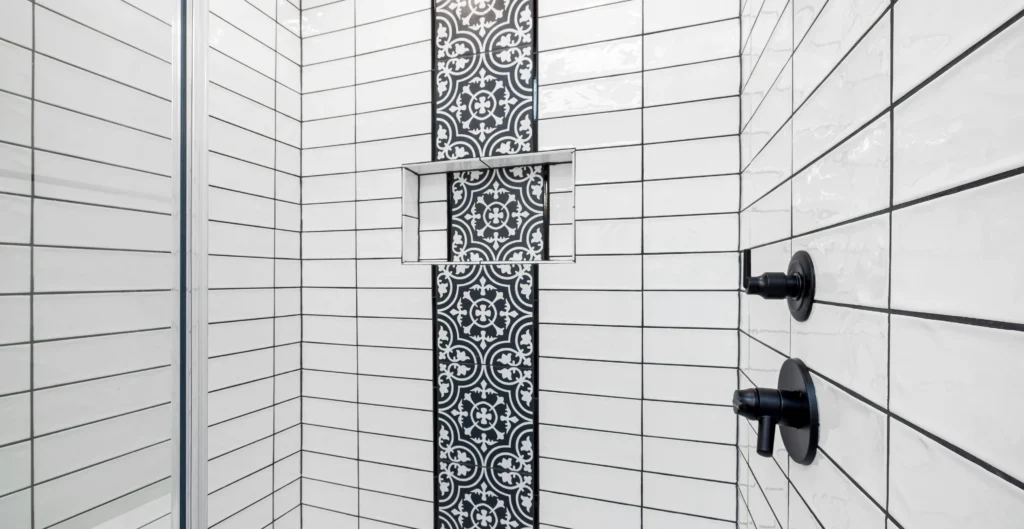
Straight Stack: Laying out tile so that each tile is lined up along the horizontal and vertical lines, without being offset.
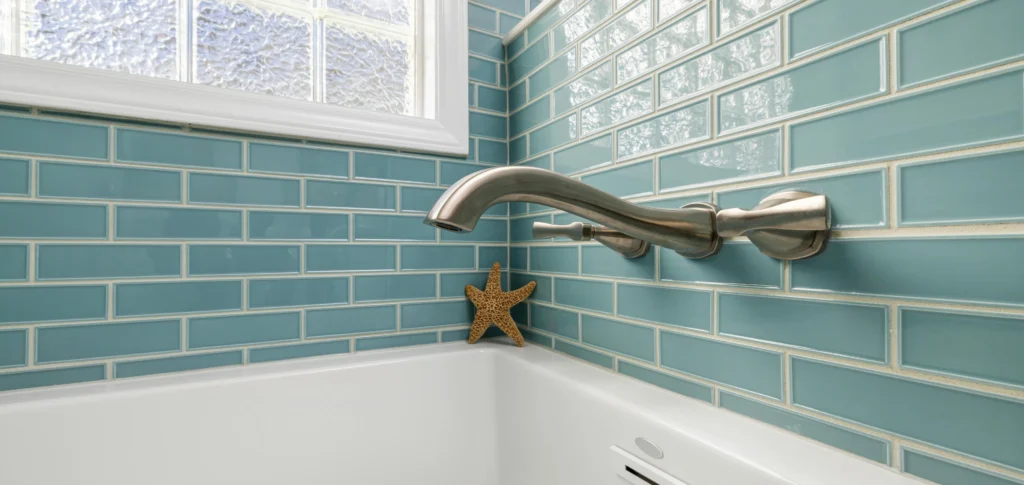
Running Bond: A staggered layout similar to a brick pattern where the tiles are offset from one another. This is the most popular subway tile layout because it’s easy to install and creates a timeless look.
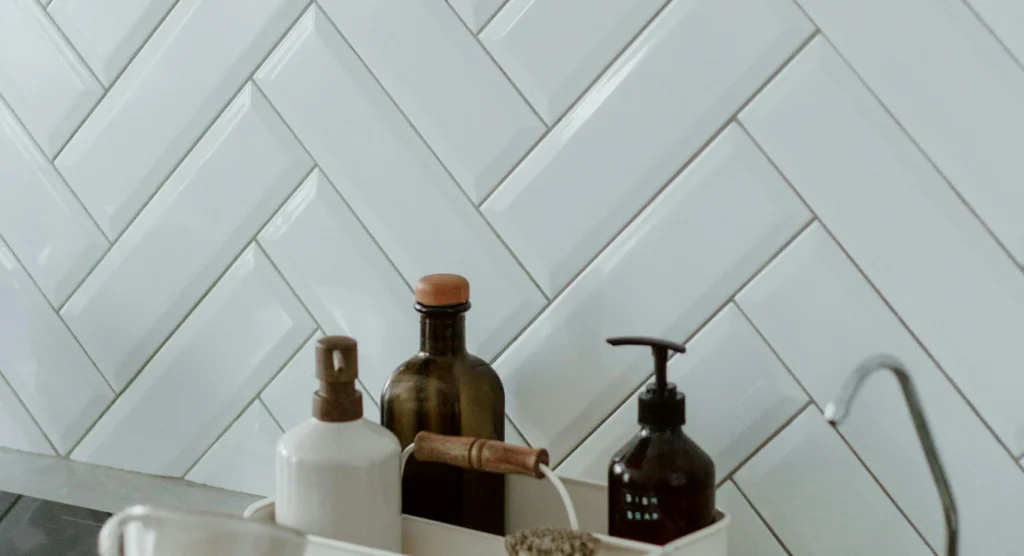
Herringbone or Chevron: A V-shaped pattern where tiles are aligned at an angle to one another to create an interlocking zig-zag pattern that somewhat resembles a fish skeleton (hence the name).
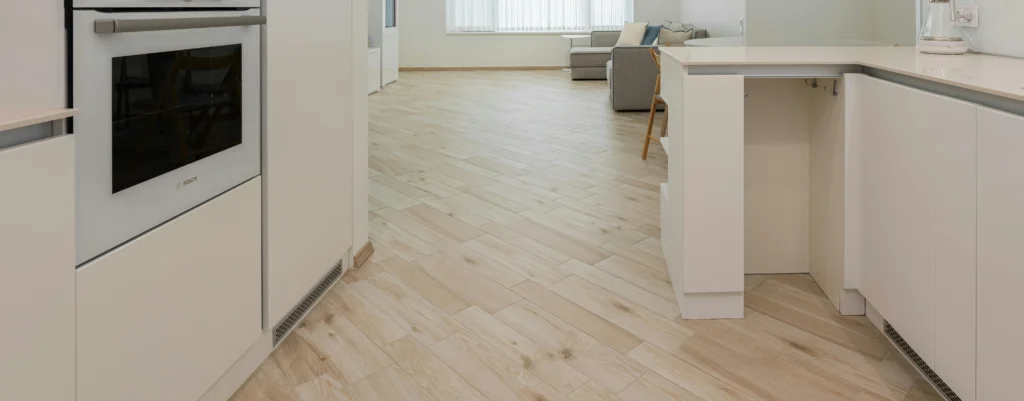
Diagonal: Rotating tiles by 45 degrees instead of installing them in straight lines.
Designer’s Insight: The layout you choose can also affect your tile budget. Certain tile cuts waste more material, meaning you have to buy more tile to ensure you have enough. Straight stack and brick layouts create the least amount of waste because you can use most of the pieces you cut. You will want to add 15-20% more tile for angled layouts such as herringbone or chevron patterns. This is because you need to make more cuts to accommodate the angled design.
How Tile Textures Affect a Space
Texture is often overlooked until the tile is installed, which can result in spaces that are either too slippery or too hard to clean. But texture doesn’t just affect how easy it is to clean and maintain tile. It also affects how light travels through a space.
- Matte tile reflects less light, so it’s great for rooms that are already bright. The matte finish also hides dust and dirt, making it ideal for high-traffic areas.
- Glossy tile is a great choice for darker rooms that need brightening. Glossy finishes reflect more light and are also easier to clean.
- Textured tile adds depth and dimension to a space, catching light in a way that smooth tile can’t. It’s an ideal choice for feature walls and niches where you want to create visual interest.
Tile Grout Considerations
When considering layouts and designs, grout should be at the forefront of the conversation, not an afterthought.
- Matching grout creates a seamless look. It’s ideal for spaces where you want to create the appearance of a continuous surface without distractions.
- Contrasting grout is ideal for highlighting the layout of your tile. If you’ve decided on a more intricate design like herringbone tile, using contrasting grout makes the pattern stand out clearly.
Designing a Space You Love
Deciding on the color, texture, size, material, and layout can feel overwhelming when planning a tile project. In the end, the best tile design is one that works for how the space actually gets used, not just how it looks. You can also decide based on the goal or feeling you want for the room.
Goal |
Layout |
Texture |
| Make a low ceiling feel higher | Vertical Stack | Polished or glossy |
| Hide dirt in a busy entryway | Herringbone or offset | Matte or textured |
| Make a small room feel larger | Large format grid | Light-colored matte |
| Add character on a budget | Diagonal | Any |
| Warm up a large or open space | Patterned tile | Matte or textured |
| Widen a narrow hallway | Offset tile perpendicular to the walls | Glossy or matte |
If you’re stuck on the best layout, do a dry lay before any installation begins. This is when you arrange tiles on the floor or hold them up against the wall without mortar to see exactly how the material and layout feel in your space under your specific lighting conditions.
Our tile experts at Tile X Design are also here to help you choose the best materials and plan a layout that you’ll love. Contact our team today for expert advice on choosing tile that fits your goals, budget, and design aesthetic! You can also visit our showroom in Plymouth to see options in person and get a better sense of what will work for your space.